Primary vs secondary Microplastics
Two kinds of visible microplastic pollution
Not all microplastics are invisible. Our first detection model focuses on visible primary microplastics such as plastic pellets, which have a known shape and can be traced back to specific industrial sources. Secondary microplastics are the fragments and fibres that break off from larger plastic items over time. Both end up in nature, but they require different cleanup strategies.
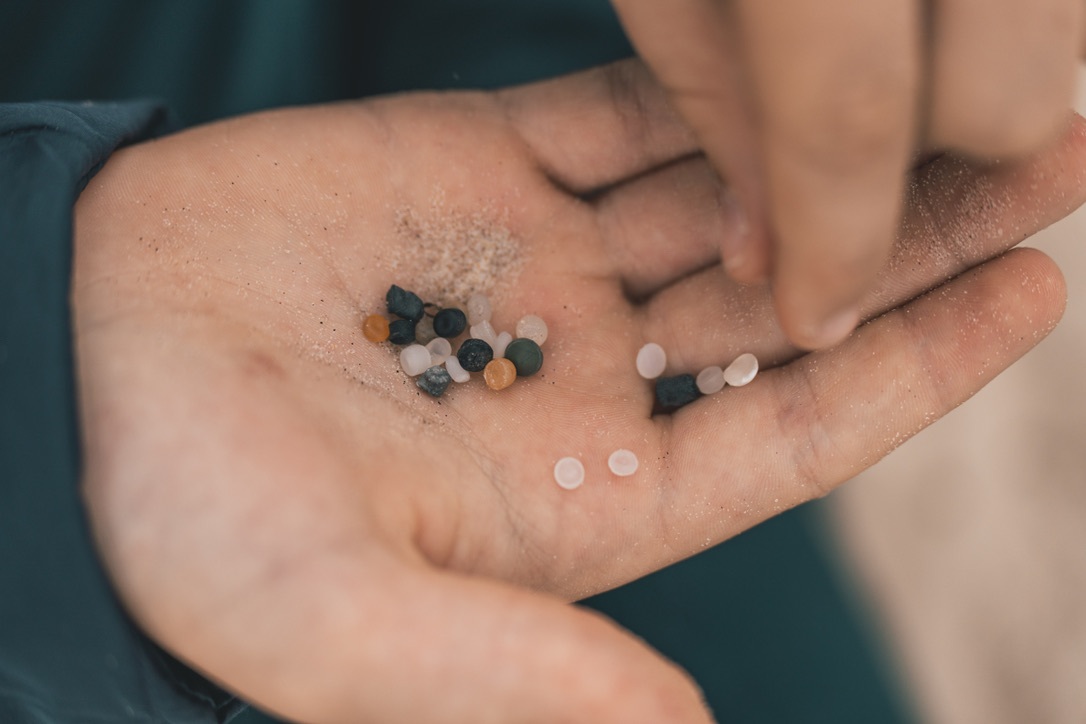
Primary microplastics
Manufactured plastic pellets enter the environment as visible, intact pieces.
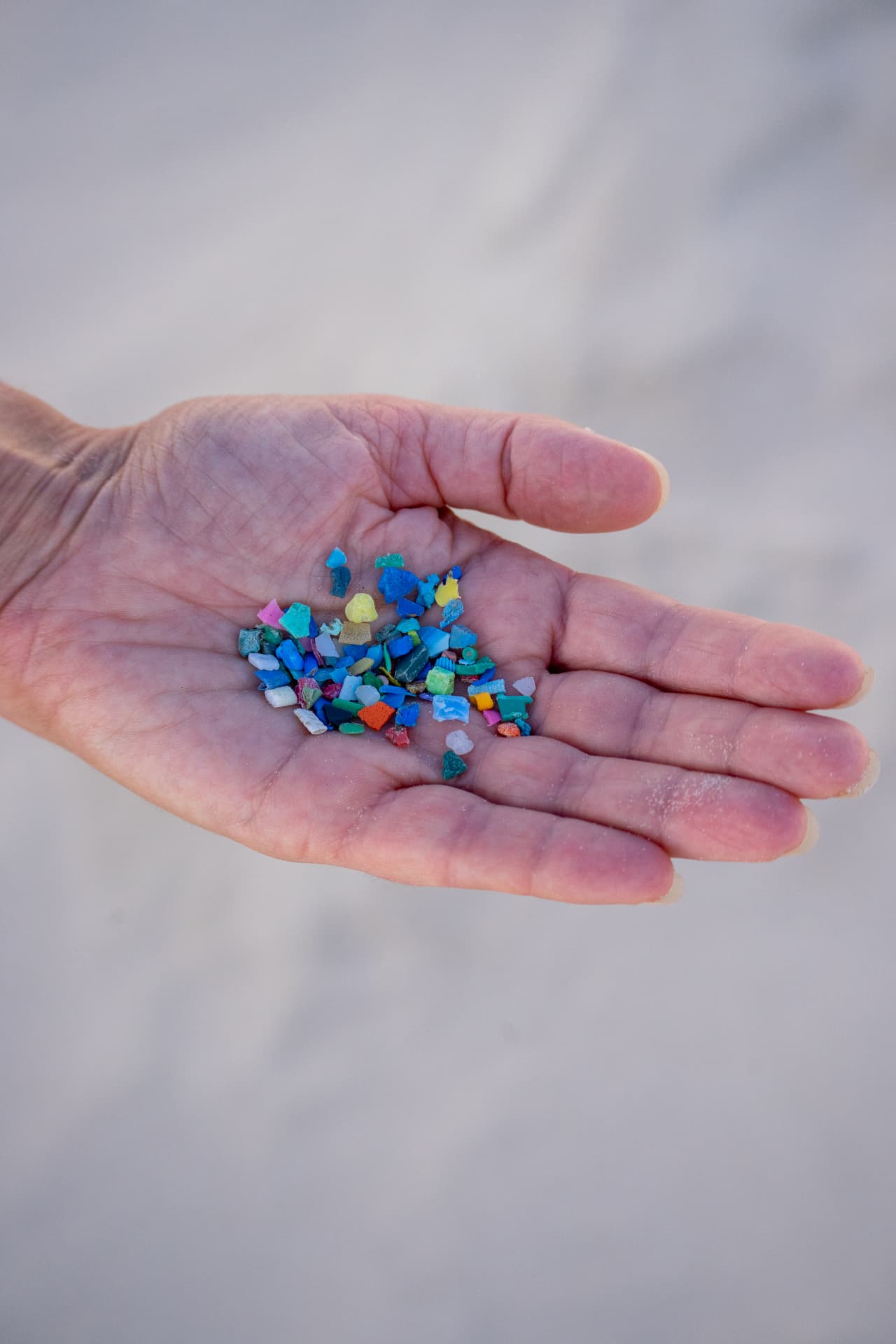
Secondary microplastics
Fragments and fibres that break off from larger plastic items over time.
Plastic Pellets
Pollution you cannot measure is pollution you cannot clean
Plastic pellets are primary microplastics which are manufactured, visible pieces of plastic that can be seen in nature and therefore counted, mapped and targeted for cleanup. They end up in nature through accidental spillage during production and transport, a spill that has continued for more than 65 years.
In October 2023 the European Commission estimated that between 52,000 and 184,000 tons of plastic pellets are lost into the environment every year. Yet 98% of the people participating in Race for Oceans clean-up activities had never heard of them prior to joining a clean-up.
Manual collection alone cannot solve it, and existing mechanical solutions do not spare biodiversity when they pick up small waste. Without a way to see where the pollution actually is, cleanup stays slow, costly and largely guesswork. Which is why Race for Oceans Technology develops state-of-the-art AI tools to detect and map visible microplastics.
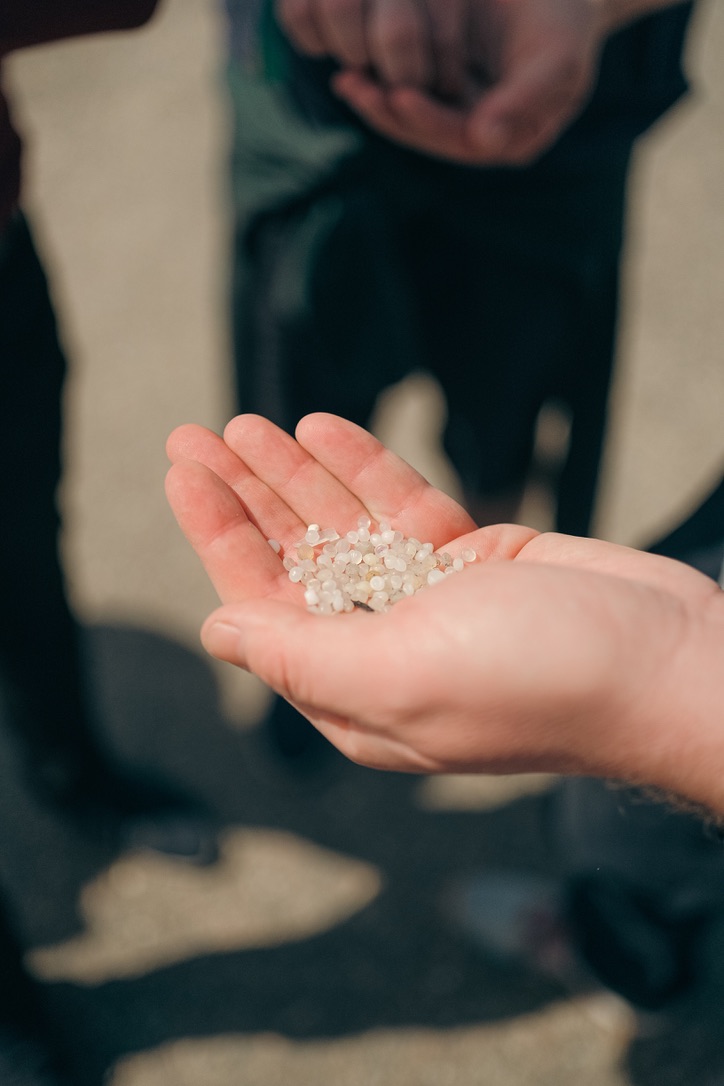
98% of those joining Race for Oceans clean-ups were previously not aware of the problem
Food security
Microplastic is becoming a food security problem
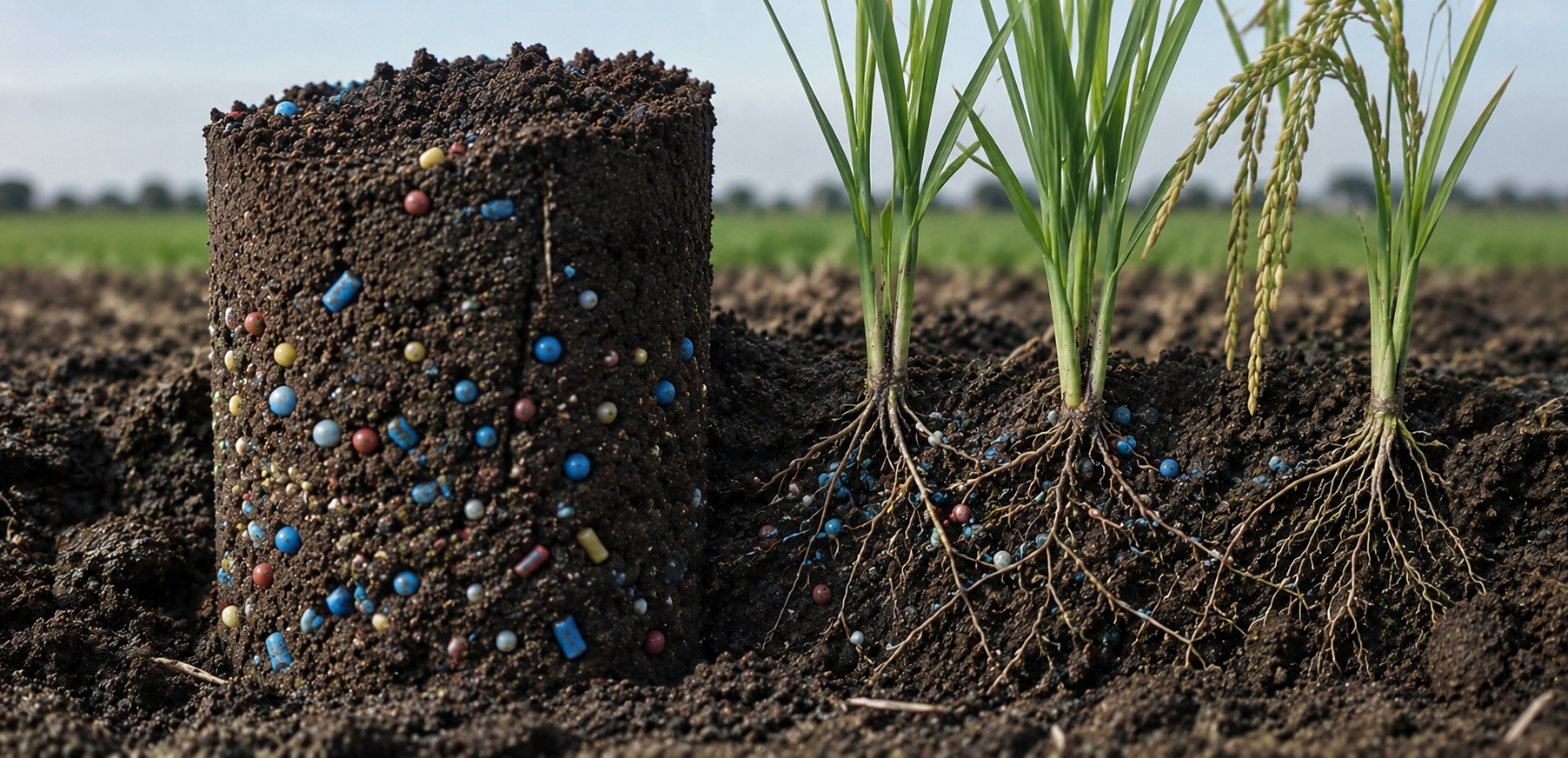
Research published in 2025 suggests that microplastic in soil and water interferes with photosynthesis, reducing the yield of staple crops such as wheat, rice and maize. The study estimates that this could put hundreds of millions of additional people at risk of hunger over the coming decades.
That reframes what we are cleaning up. Pellets left in dunes and farmland are not only a marine problem for later - they are a slow pressure on the systems that feed us, which is why finding and removing them early matters.
Source: The Guardian, March 2025 - study on microplastics and plant photosynthesis
Human health impact
Microplastics are not just an environmental problem
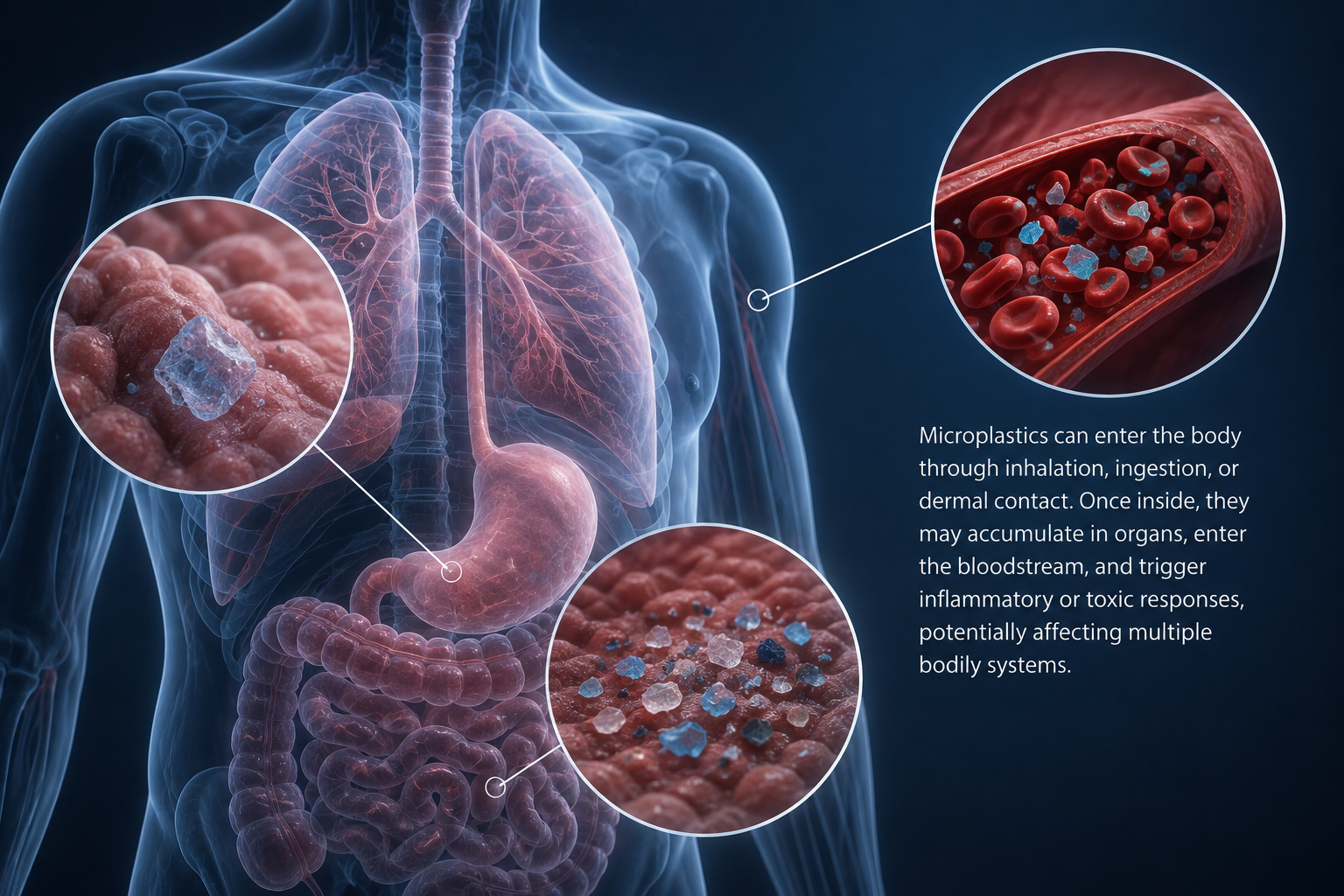
Microplastics are not just an environmental problem, they also threaten human health. They can provide a surface for harmful bacteria to form biofilms, making infections harder to treat and potentially contributing to antimicrobial resistance. Emerging research also suggests that microplastics can reach the brain and trigger interactions with the immune system, raising growing concerns about their long-term effects on our health.
Studies done on mice have linked exposure to microplastics to blocked blood vessels, and reduced motor function, while seabirds exposed to high levels of plastic have shown signs of neurological damage. The full consequences for humans remain under investigation, but these findings add to mounting concern about the biological impact of microplastics.
Source: World Economic Forum — impact of microplastics on environment and health