Impact
You can't manage what you can't measure
Visible plastic pollution on land is rarely denied, but it is more often than not undocumented. Nobody can say with confidence how much visible microplastic is lying in nature, how fast it arrives, or whether last year's cleanup made a difference. Without that, every decision is a guess.
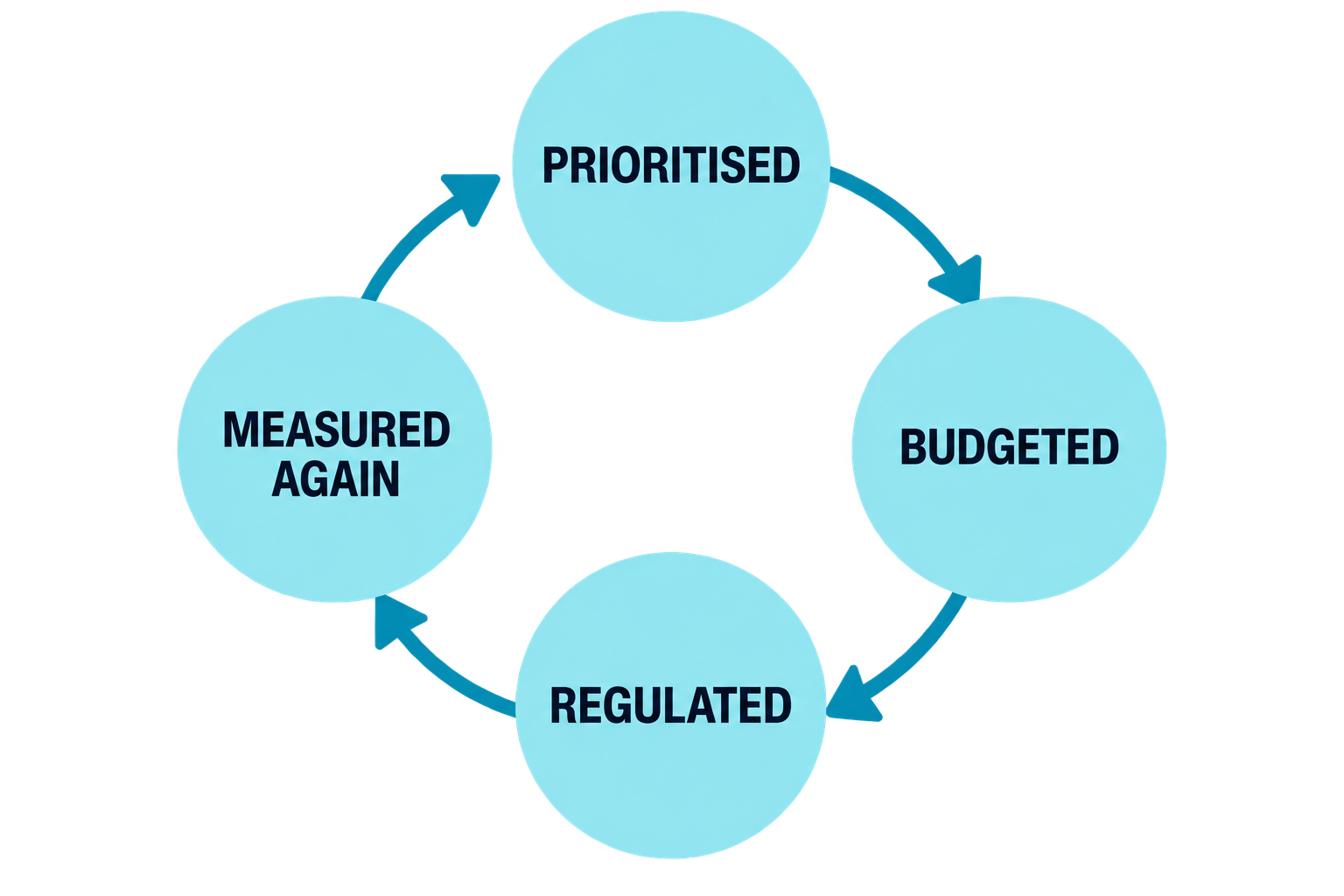
Our work starts one step before the cleanup itself: turning plastic polluted areas into a dataset. Once its measured and located, it can be prioritised, budgeted, regulated and measured again.
Why measurable pollution matters for biodiversity
Volunteers cannot keep up with the release of visible microplastics into nature. Large amounts can accumulate across vast areas in a short period of time, making manual removal slow, labour-intensive and impossible to scale. As the problem grows, cleanup needs to become more efficient without causing further harm to the environments we are trying to protect.
Mechanical cleanup methods come with a significant ecological trade-off. While they can remove plastic from the environment, they often cannot distinguish between pollution and the ecosystems around it. In the process, they may remove shells, vegetation, seeds, insects and other natural materials, while disturbing the habitats they are meant to protect.
Detection changes the trade-off. When software knows where the plastic is, what it is, and how densely it is distributed, cleanup can target areas where it is most needed. Instead of disturbing entire areas in search of pollution, collection efforts can focus on affected spots, resulting in less damage to fragile habitats. This allows us to scale cleanup while putting biodiversity first.
Aligned with the UN Sustainable Development Goals
Life below water
Most plastic that reaches the ocean starts on land. By detecting visible microplastics on beaches, dunes and industrial sites, it is possible to map them, and target cleanup before they reach the water. This means that we can remove pollution at its source, while protecting marine ecosystems and the biodiversity they support.
Life on land
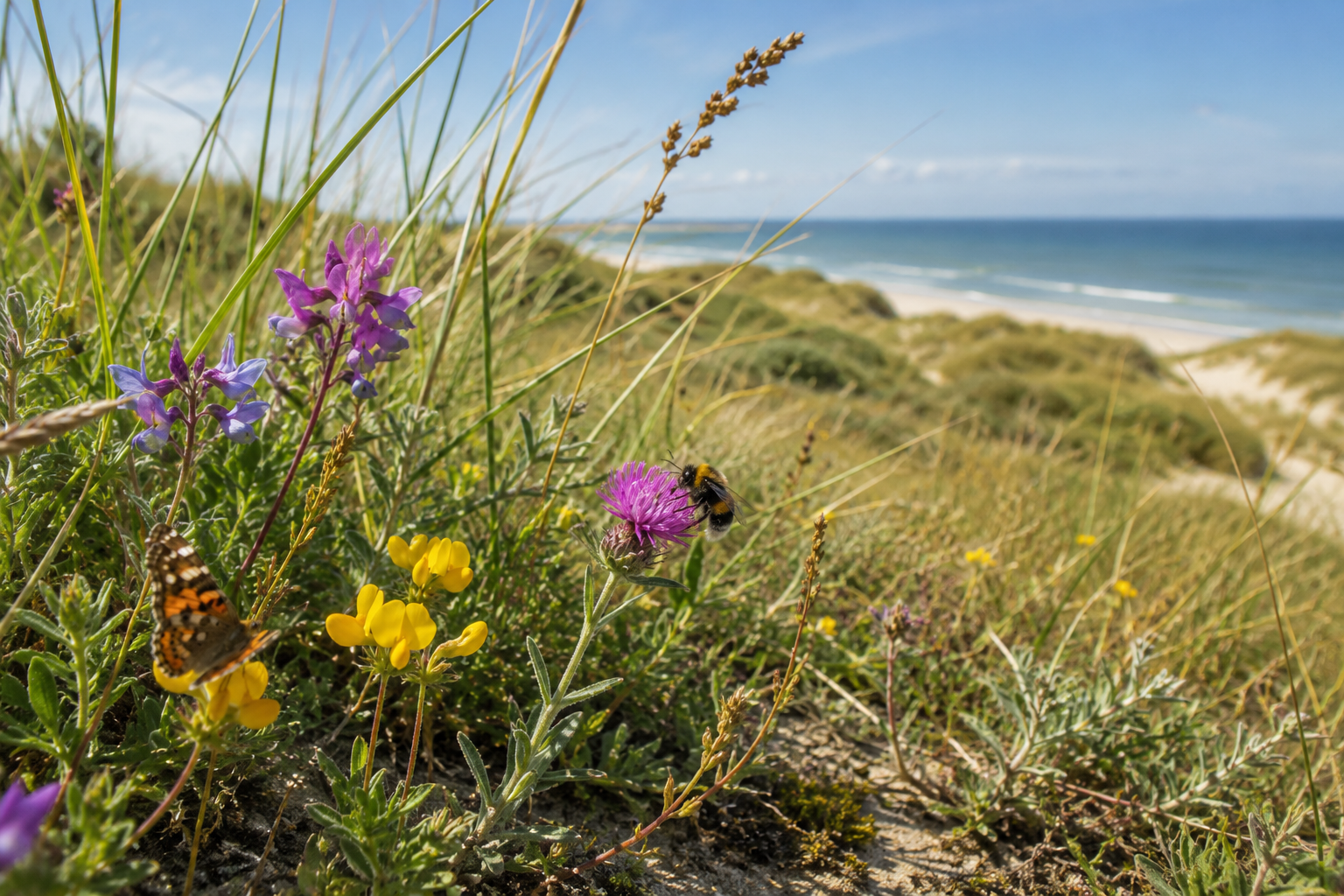
Coastal grasslands and dunes are fragile ecosystems. By detecting even the smallest pieces of visible microplastics, it is possible to map them, and target cleanup only where it is needed. This means that we can remove only what does not belong in nature, while protecting biodiversity and everything that does belong in nature.
Partnerships for the goals
Numbers travel further than good intentions. By sharing comparable pollution data with municipalities, authorities and private partners, it is possible to track pollution and measure progress across borders. This means that we can turn scattered efforts into coordinated action, while creating a shared foundation for cleaner environments.